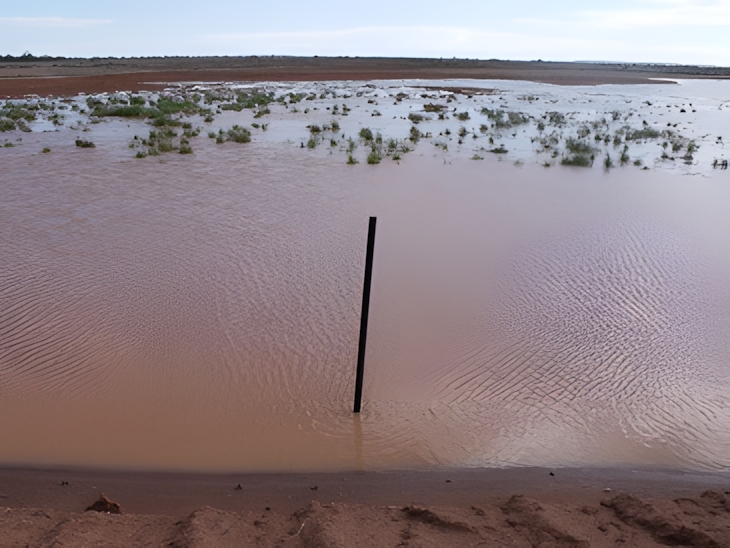
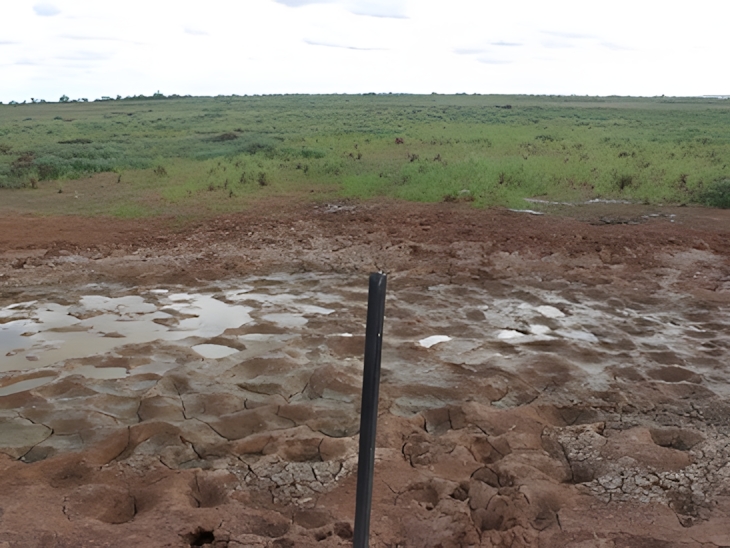
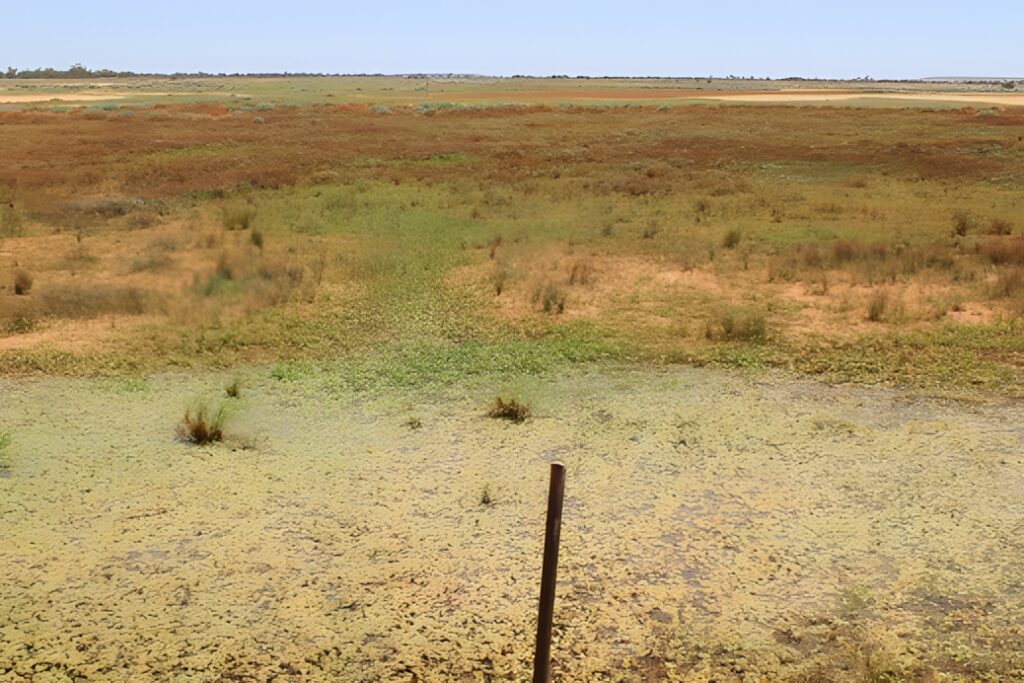
There are many ways to slow and spread water and land managers can be creative, using what they have at hand in terms of materials and machinery. However, it’s very easy to make things worse by not fitting the rehabilitation work into the critical control points in the affected landscape.
Learn How to Manage Rainwater in Your Pastoral Land
As a rule, “plonking” anything solid on flats or in channels makes things worse. Any structure or object needs to be keyed in carefully and the question asked; “How will the flow try to beat me here?” Always first assess whether subtler or simpler interventions that minimise damage to the land are considered before embarking on any major earthworks. Also be aware of, and meet any regulations that apply to your patch, for example clearing vegetation of cultural or biodiversity values.
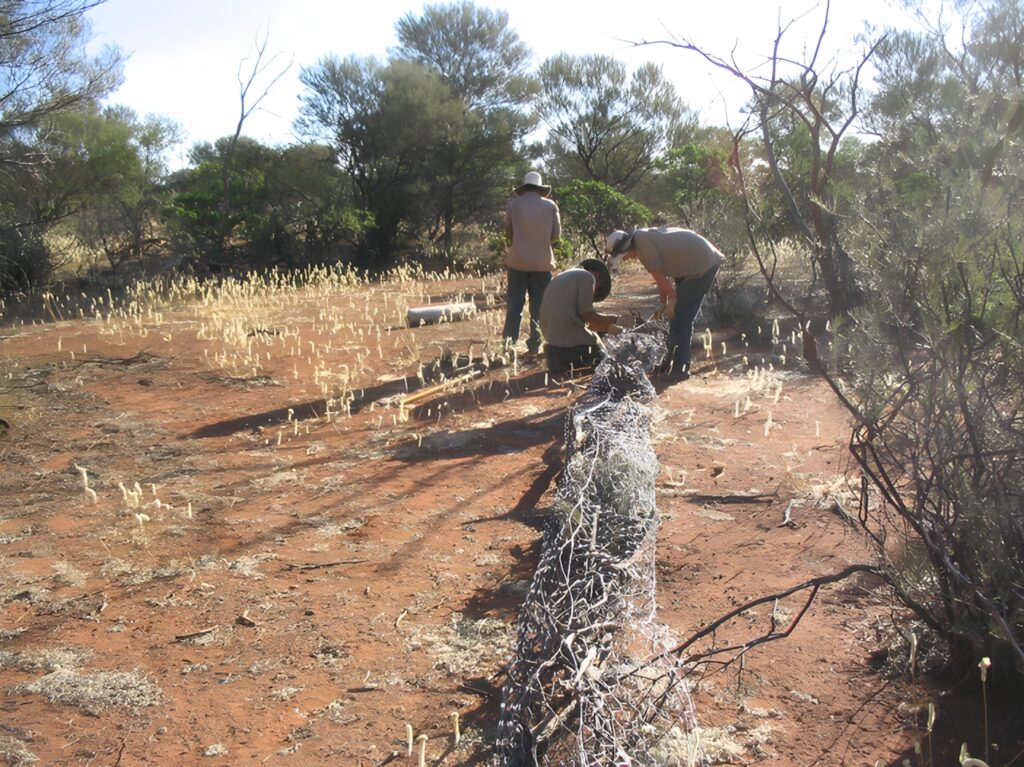
Rolled wire mesh pinned in place over sheet eroded area. Photo by PJ Waddell.
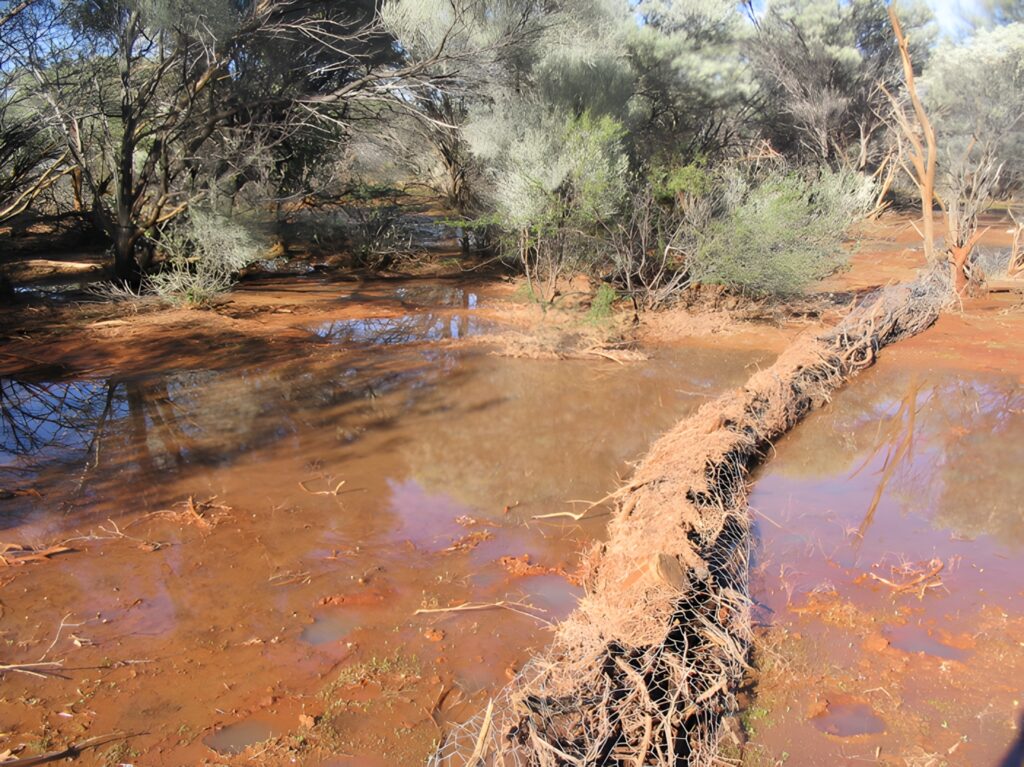
The same site after rain. Photo by PJ Waddell.
Gully Stabilisation
Gully heads are the active face of erosion and tend to split and spread as they cut back upstream or upslope. While they are generally regarded as a soil erosion issue, the most ecologically and commercially damaging aspect of gully heads is that they literally draw water to them from the surrounding land. In arid lands this is fatal for the functioning of ecosystems and businesses based on renewable natural resources.
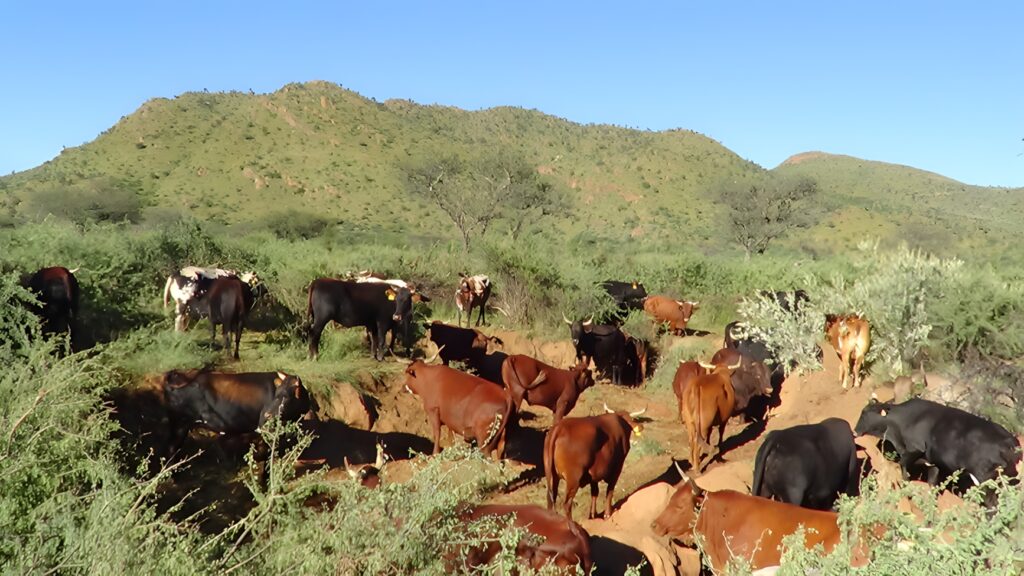
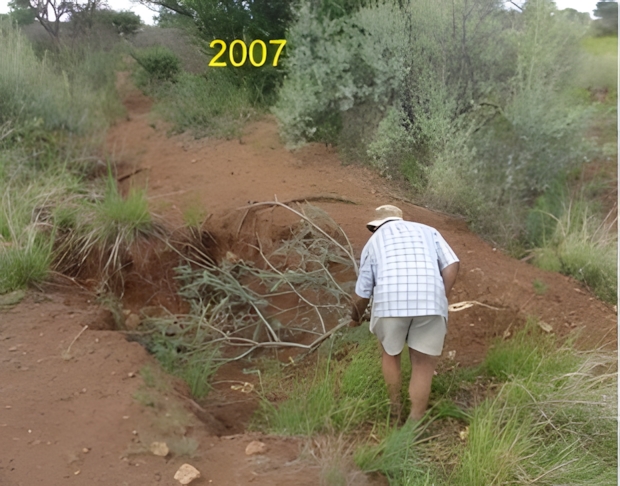
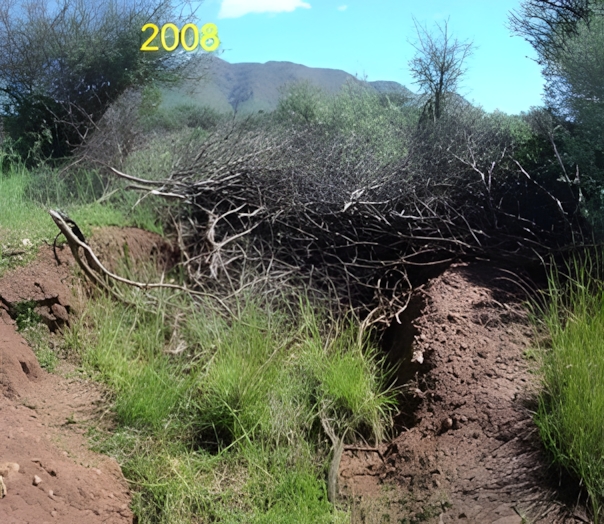
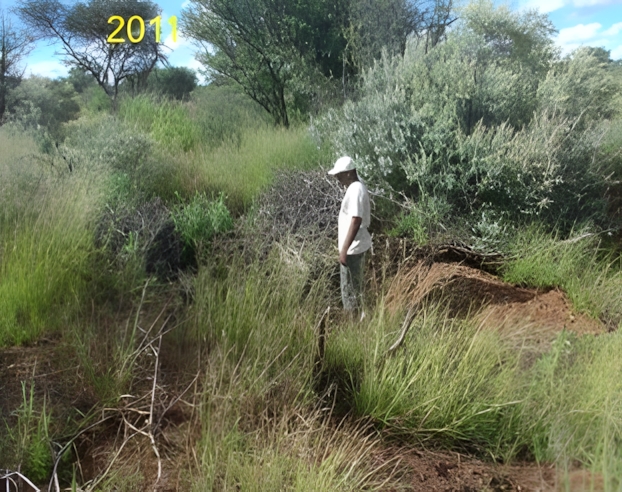
Gully heads typically require a combination of stabilising methods depending on the size and severity of the head system and what materials and machinery are available. A key action is to knock the walls of the gully head down. Small shallow heads can be broken with a shovel and trampled or pounded flat. If the heads are slightly deeper (up to about 50cm), deep ripping may be enough to stop the head cutting back. Heads can also be flattened with a grader or front-end loader bucket very quickly if shallower than about a metre and a half and stabilised with rubble calcrete bunds or as in the photo below a herd of cattle are induced to trample them down!
Cattle used to trample gully heads, Namibia. Photo b H Pringle.
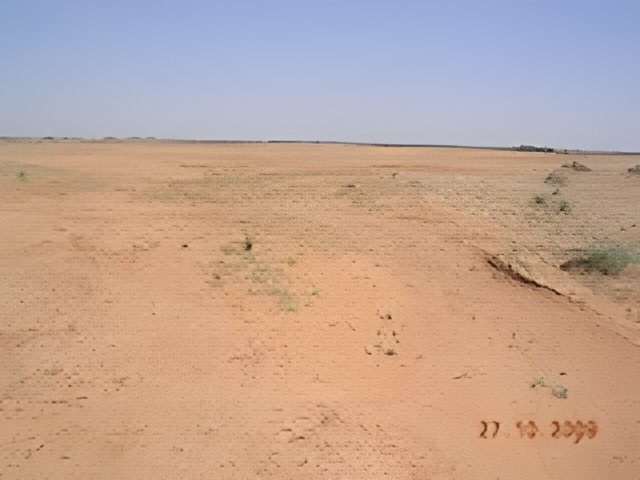
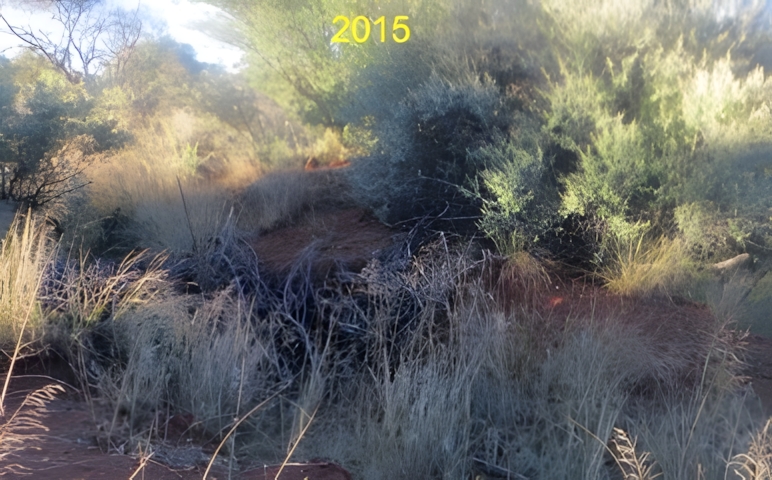
A Monitoring Site before gully repair from 2009 to 2017 in South Australia